
Lessons From a Month on Peru’s Rivers, Living Out of Dry Bags
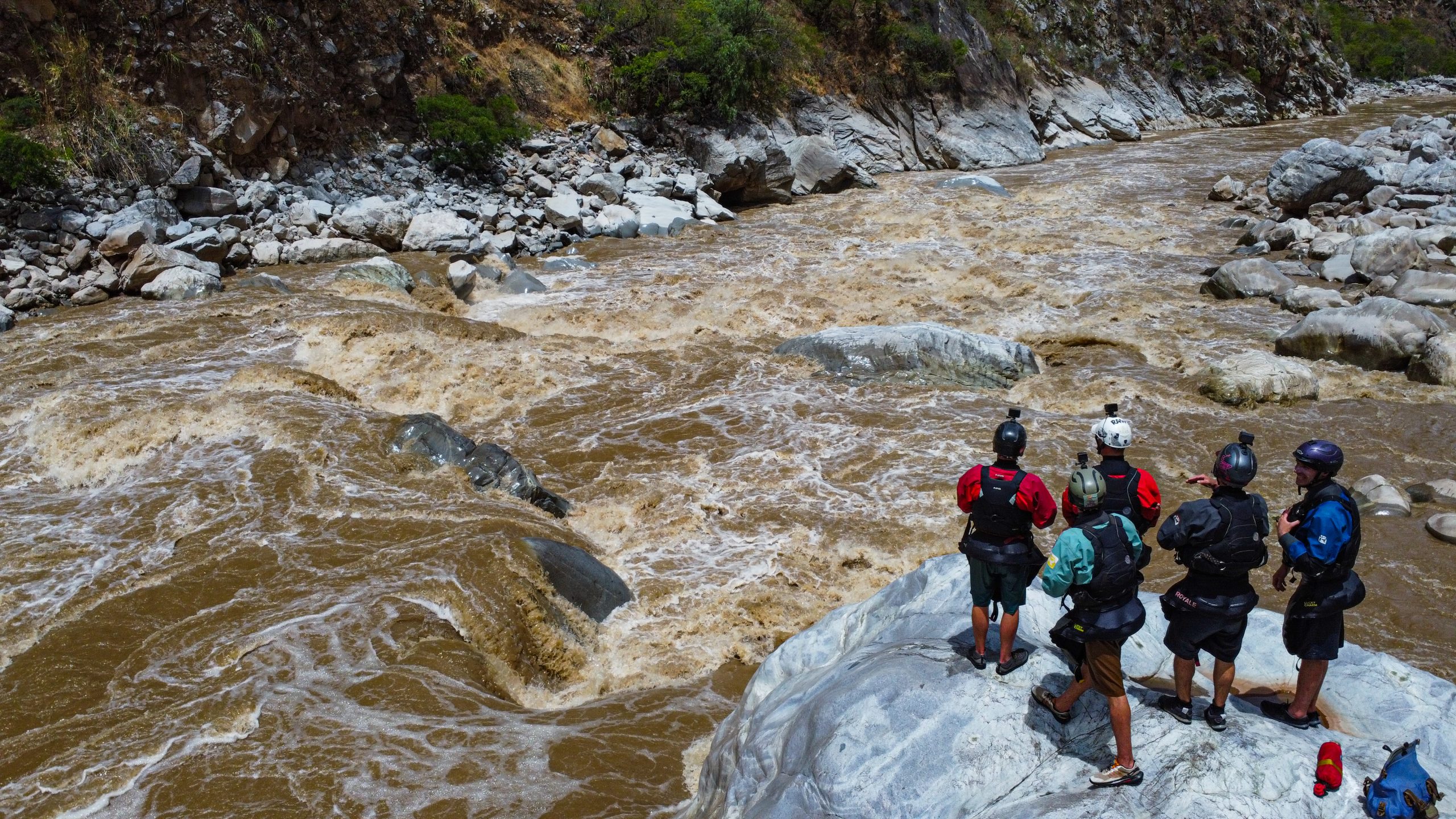
When I decided to go to Peru, the first thing I wrote on my checklist was dry bags. Three days later, I was in Lima with the team, a list of rivers, and no real idea what was going to happen.
Peru turned out to be one of the most unpredictable places we’ve ever paddled. But at least I knew my gear wasn’t getting wet. Our longest expedition lasted four days, fully self-supported. Everything I needed fit into my Futa, Chattooga, and Ocoee. Even then, I still had heaps of room left — and we always packed an extra day of food, just in case.
The Futa’s conical shape fits naturally into a kayak stern, so you’re not fighting the hull while packing. The air-release valve makes compressing gear simple and efficient.
My Ocoee went everywhere with me — multi-day missions, long drives, flights. It’s my river man-purse. My camera, passport, candy — the things you really don’t want wet — always live there. My camera feels most at home inside that bag. When you’re living out of your kayak, your packing system matters. Even with roomy bags, weight and balance make a huge difference. A poorly packed stern changes how your kayak handles on the water. You feel it immediately. On expeditions, the small things add up fast. Think three times about what you bring — and why. Discuss both
personal and group gear with the team before you leave. Distribute food and equipment properly across the crew.
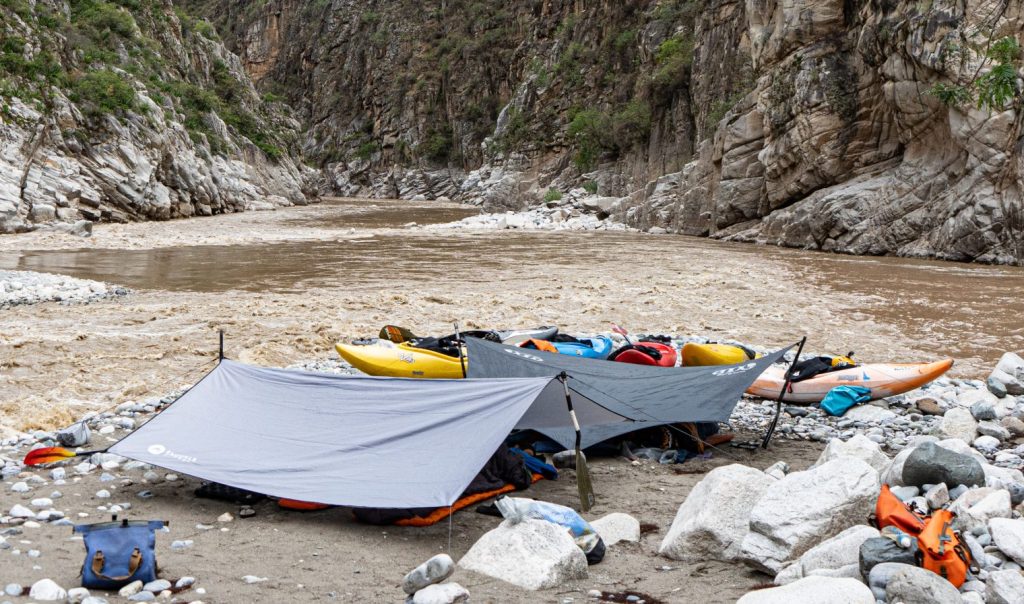
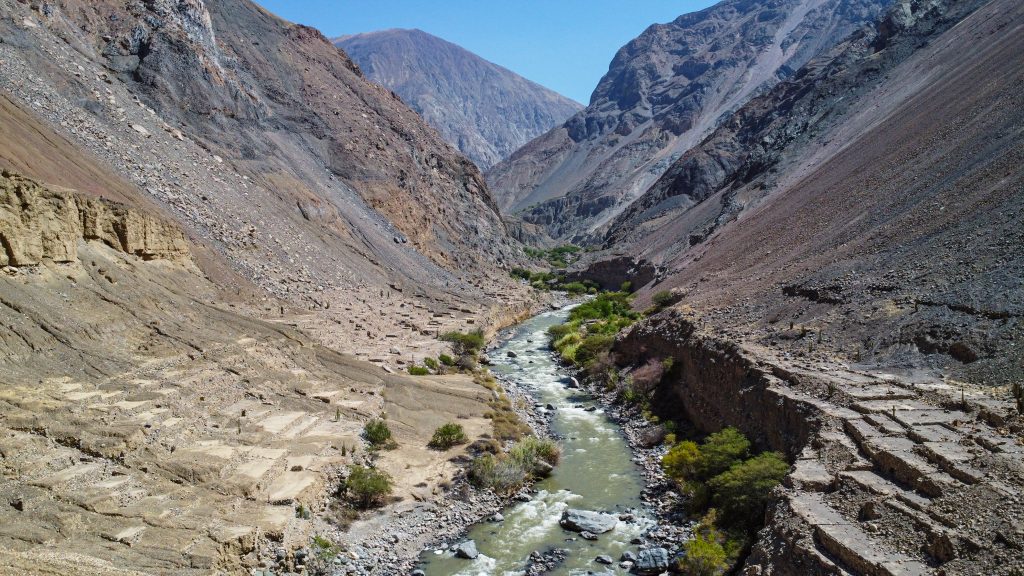
In Peru, we kept it simple. We used purification tablets and drank river water. We made fires instead of carrying a propane stove. We cowboy camped and used a tarp when it rained instead of bringing a tent. On the trip, we drove nearly 7,000 kilometers and paddled the Cañete, Colca, Cotahuasi, Salcantay, Urubamba, Apurímac, Lucumayo, and the Sacsara. Rough access, big days, and exactly the kind of missions where self-sufficiency is key.
After a month of living out of dry bags, a few things became clear:
 Keep it simple.
Don’t carry items you “might use” unless they’re safety-related.
Things get heavier over time.
The only thing that gets lighter as the days go by is food.
Balance your boat properly.
If you’re carrying two dry bags on each side of the stern pillar, feel their weight and pack them evenly. Moving your seat forward can work wonders, too.
There’s no such thing as too much chocolate.
A small reward to keep you going or at the end of a long day goes a long way.
Trust your gear.
Choose equipment you can rely on, so you can focus fully on the whitewater. I remember my first kayak overnighter when I was a kid. I was 13 and didn’t own any dry bags, so I used plastic
trash bags instead. But as my missions grew bigger, my objectives became more ambitious — and my gear evolved with them. Now I use Watershed dry bags.


About Post Author
